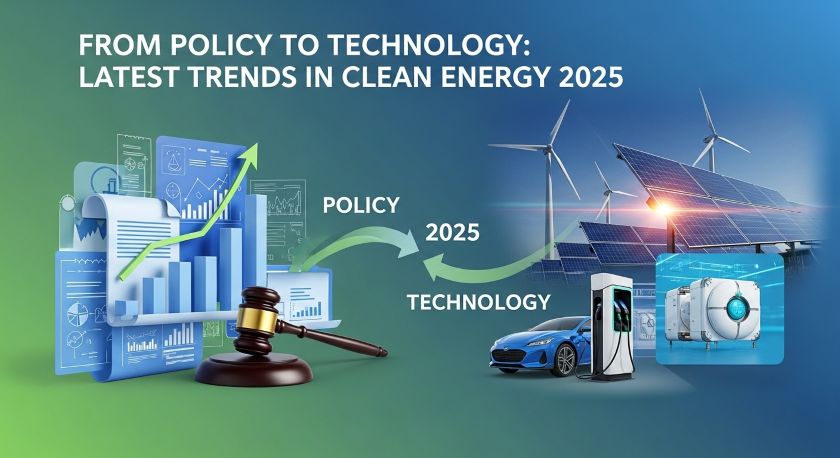

The global energy sector is undergoing a massive transformation, driven by climate policies, technological innovation, and market forces. In 2025, clean energy is no longer just an environmental priority—it is a central factor shaping economies, industries, and global competitiveness.
This article explores the latest trends in clean energy, from government policies to cutting-edge technology, and highlights how these developments are driving a sustainable energy revolution.
The Policy Push for Clean Energy
Global Climate Commitments
International agreements like the Paris Agreement and national climate targets continue to push countries toward renewable energy adoption. Governments are implementing policies that encourage:
-
Investment in solar, wind, and hydro power
-
Development of energy storage and smart grid systems
-
Transition from coal and fossil fuels to cleaner alternatives
These policies create a stable environment for businesses and investors, driving growth in the clean energy sector.
Incentives and Regulations
Countries are offering tax incentives, feed-in tariffs, and subsidies for renewable energy projects. Simultaneously, stricter emission regulations are pushing companies to adopt low-carbon technologies, accelerating the global energy transition.
Technological Innovations in Clean Energy
Solar and Wind Advancements
Solar panels have become more efficient and cost-effective, with many new models achieving over 23% conversion efficiency. Similarly, next-generation wind turbines are taller, more robust, and capable of producing significantly more energy per unit.
These technological improvements make renewable energy cheaper and more reliable than ever, accelerating adoption worldwide.
Energy Storage Solutions
Energy storage technology is a key driver of clean energy integration. Advanced lithium-ion, solid-state, and flow batteries allow renewable energy to be stored for periods of low production, ensuring grid stability and reliable power supply.
Smart Grids and AI Integration
Smart grid systems and AI-driven energy management are revolutionizing electricity distribution. By monitoring real-time demand and adjusting supply, these technologies optimize energy efficiency, reduce waste, and support large-scale renewable integration.
Emerging Trends in Clean Energy
Green Hydrogen
Green hydrogen is becoming a major focus, offering a low-carbon fuel for industries and transportation. Produced using renewable electricity, green hydrogen supports the decarbonization of sectors that are difficult to electrify.
Floating Solar Farms and Offshore Wind
Innovative infrastructure such as floating solar panels on lakes and reservoirs and offshore wind farms is expanding renewable energy capacity without competing for land, creating new opportunities for coastal and water-rich regions.
Community Solar Projects
Community-based solar programs allow households without rooftops to benefit from renewable energy. These initiatives increase adoption rates, reduce energy costs for consumers, and empower local communities.
Economic and Social Impacts
Job Creation and Workforce Transformation
The clean energy sector now employs millions globally, with growth in roles such as:
-
Solar and wind installation and maintenance
-
Energy storage manufacturing
-
Smart grid and AI energy management
Governments and corporations are also investing in reskilling programs for workers transitioning from fossil fuel industries, promoting economic resilience.
Lowering Energy Costs
As renewable energy technologies improve and scale, the cost of electricity from solar and wind has decreased dramatically. This reduction benefits households, businesses, and industries, increasing global economic productivity.
Investment and Market Growth
Renewable energy continues to attract trillions in global investment, driven by both financial incentives and long-term sustainability goals. Companies investing in clean energy infrastructure and technology are positioning themselves as leaders in the rapidly expanding green economy.
Challenges in the Clean Energy Transition
Infrastructure Limitations
Expanding renewable energy requires upgrading transmission networks and integrating smart grid systems. Without sufficient infrastructure, the efficiency gains of renewable energy are limited.
Intermittency and Storage
Solar and wind are weather-dependent. Large-scale adoption depends on advanced storage solutions and hybrid energy systems to ensure a consistent supply.
Policy and Market Coordination
The success of clean energy technologies depends on harmonized policies, market incentives, and international collaboration. Countries that fail to implement effective regulations may lag in technology adoption and economic growth.
Future Outlook: Clean Energy Beyond 2025
Decentralized and Smart Energy Systems
The energy systems of the future will be decentralized, intelligent, and highly automated, with homes, businesses, and communities generating, storing, and distributing their own power efficiently.
Carbon-Neutral Industrial Processes
Clean energy integration into industries like steel, cement, and transportation will continue to reduce carbon footprints, aligning with global net-zero goals.
Global Leadership in Innovation
Countries investing in clean energy innovation will not only achieve energy security but also capture high-value markets, driving economic growth and technological leadership.
Conclusion
From policy initiatives to technological breakthroughs, clean energy is transforming the global economy in 2025. With advances in solar, wind, energy storage, and smart grids, coupled with strong government support, renewable energy is more accessible, efficient, and impactful than ever before.
The clean energy revolution is not only an environmental imperative but also an economic opportunity, creating jobs, lowering costs, and driving sustainable growth worldwide. Businesses, policymakers, and investors must stay informed to capitalize on the latest trends and participate in shaping a greener, more prosperous future.