As the world shifts toward cleaner energy, homeowners are increasingly focused on how renewable energy can save money. In 2025, new renewable energy plans are emerging that not only aim to reduce carbon footprints but also promise significant reductions in monthly electricity bills. From solar panels to community energy sharing, renewable solutions are becoming more accessible and affordable than ever before.
In this article, we’ll explore the best renewable energy plans in 2025 that can cut power costs, the technologies driving these savings, and what homeowners should know before making the switch.
Understanding Renewable Energy Plans in 2025
What Are Renewable Energy Plans?
Renewable energy plans allow homeowners to generate or purchase electricity from sustainable sources like solar, wind, hydro, and battery storage. These plans may include:
- On-site solar panels with storage
- Community solar subscriptions
- Green utility contracts with renewable energy credits (RECs)
- Home battery and smart inverter systems
By 2025, many utility companies and independent energy providers have begun offering flexible pricing options, tax incentives, and financing plans that make switching easier for households of all income levels.
Why 2025 Is a Pivotal Year
The year 2025 is seeing rapid adoption due to:
- Falling costs of solar panels and batteries.
- Government incentives for clean energy.
- Rising grid electricity prices.
- Advances in energy-efficient smart home systems.
How Renewable Energy Lowers Household Bills
1. Solar Energy for Homes
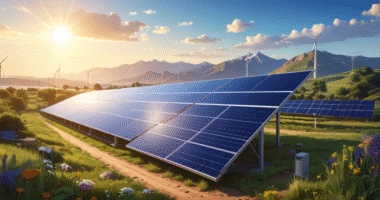
Solar panels remain the top choice for homeowners in 2025. Prices for solar panels have dropped nearly 60% compared to a decade ago, making it an affordable option for most households.
Key benefits include:
- Generating free power during the day.
- Storing excess energy with home batteries for night use.
- Selling extra power back to the grid through net metering.
A typical 5kW solar system can save homeowners between 30% to 70% on annual electricity bills, depending on location and sunlight exposure.
2. Community Solar Programs
For homeowners who can’t install panels (due to shade, rental agreements, or budget), community solar plans provide an excellent alternative.
Subscribers can purchase or lease a portion of a large solar farm and receive credits on their utility bills for the power generated.
Advantages:
- No installation required.
- Lower upfront costs.
- Flexible contracts, making it renter-friendly.
3. Wind and Hybrid Solutions
In rural areas, small-scale wind turbines are increasingly viable. Hybrid systems that combine solar + wind + batteries ensure reliable power even when the sun isn’t shining or the wind isn’t blowing.
By balancing multiple renewable sources, these hybrid setups can cut power bills by up to 80%.
4. Battery Storage and Smart Inverters
In 2025, battery prices have fallen significantly, making lithium-ion and LiFePO4 storage systems more accessible. Pairing solar with battery storage allows homeowners to:
- Store cheap power generated during the day.
- Use stored energy during peak hours when grid rates are highest.
- Maintain backup power during blackouts.
Smart inverters further improve efficiency by automatically adjusting energy flows and integrating with smart home devices.
5. Time-of-Use Savings and Smart Homes
Many utilities now use time-of-use (TOU) pricing, charging higher rates during peak hours. Smart homes equipped with renewable energy can schedule high-consumption tasks (like EV charging or running appliances) when renewable power is abundant and cheaper.
This optimization can lower annual bills by an additional 10–20%.
Government Incentives and Tax Benefits in 2025
Switching to renewable energy is not only about technology but also financial planning. In 2025, many governments and states offer:
- Federal tax credits for solar and battery installations.
- Low-interest green energy loans.
- Rebates for energy-efficient appliances.
- Grants for rural renewable energy adoption.
These incentives reduce upfront costs, helping homeowners see a return on investment (ROI) within 5–7 years.
Long-Term Financial Impact
Cost Savings
A family spending $200 per month on electricity could save up to $1,500–$2,000 annually by adopting a renewable energy plan. Over 20 years, that’s $30,000–$40,000 in savings, not including rising grid electricity prices.
Home Value Increase
Homes with renewable energy installations (solar + storage) see property value increases of 4–6% on average, making it a smart investment for resale.
Environmental Benefits
In addition to savings, homeowners can reduce their household’s carbon footprint by 50–90%, depending on the renewable setup chosen.
Challenges Homeowners Should Consider
While renewable energy plans offer big savings, challenges include:
- High upfront costs (though incentives reduce this).
- Space limitations for solar panels or wind turbines.
- Variable weather conditions affecting production.
- Maintenance needs for batteries and inverters.
Fortunately, financing options, warranties, and improved efficiency are reducing these barriers in 2025.
Future Trends in Renewable Energy Plans
Looking beyond 2025, several exciting trends are shaping how renewable energy will cut household bills:
- AI-powered smart grids – Automated systems will predict energy usage and optimize storage.
- Next-generation batteries – Solid-state and sodium-ion batteries could offer cheaper, safer, and longer-lasting storage.
- Peer-to-peer energy trading – Homeowners will sell excess power directly to neighbors.
- EV-to-home power systems – Electric vehicles doubling as home backup batteries.
Conclusion: Renewable Energy Saves More Than Just Money
In 2025, renewable energy plans are no longer futuristic—they are practical, accessible, and highly beneficial for homeowners. By adopting solar, wind, or hybrid systems and leveraging smart technology, families can cut power bills dramatically while increasing property value and contributing to a cleaner planet.
The bottom line: Homeowners who embrace renewable energy in 2025 aren’t just saving money—they’re investing in long-term financial stability and sustainability.