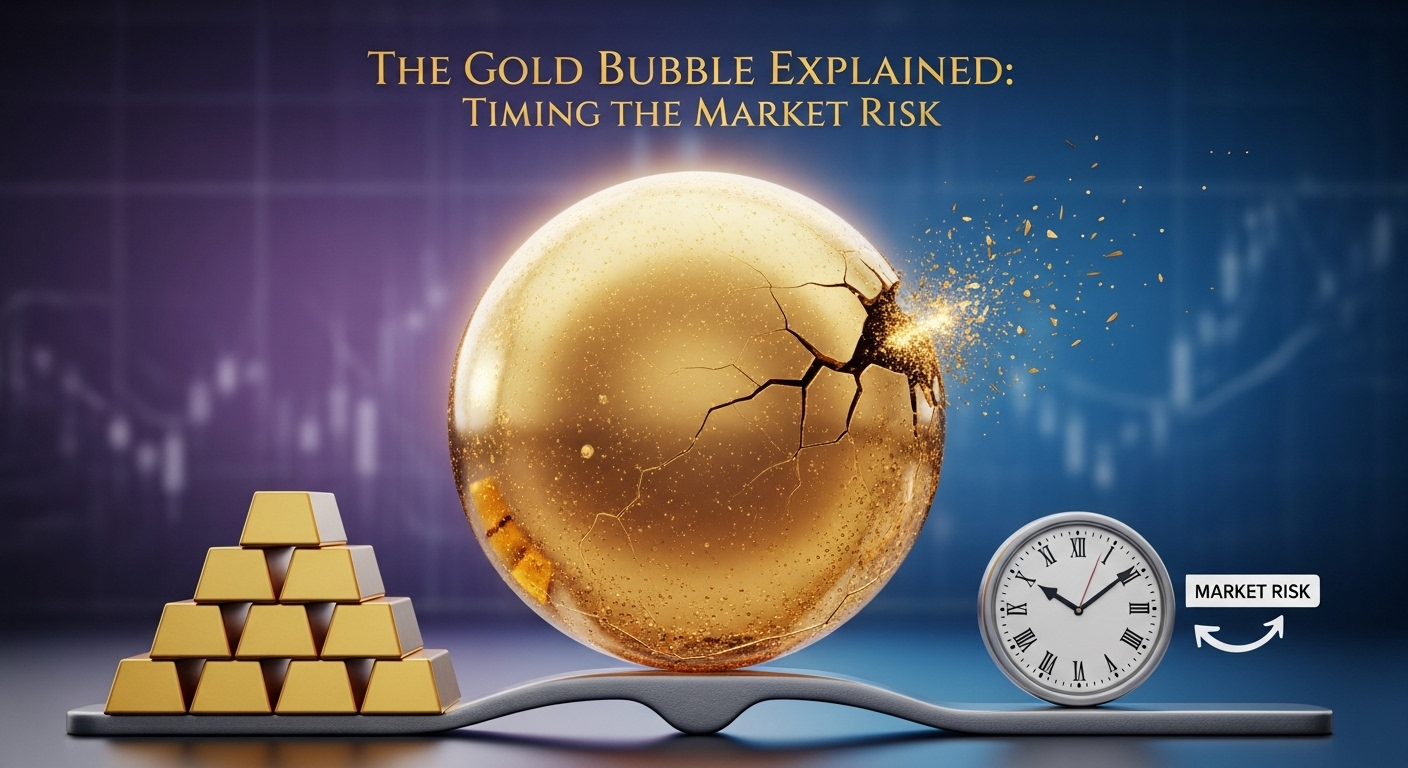

Gold has long been considered a safe haven, a store of value during times of economic uncertainty. From ancient civilizations to modern investors, it has held a unique place in global financial markets. Yet, as prices surge to historic highs, many are asking: Are we in a gold bubble? And if so, when might it burst? Understanding the dynamics of gold markets, investor behavior, and economic indicators is crucial to navigating this high-stakes environment.
1. Understanding the Gold Bubble
A financial bubble occurs when the price of an asset rises far beyond its intrinsic value, fueled by speculation, investor frenzy, and excessive demand. In the case of gold, several factors contribute to a potential bubble:
-
Record-high prices: Gold has recently reached unprecedented levels.
-
Investor speculation: Retail and institutional investors are pouring money into gold ETFs, futures, and coins.
-
Economic uncertainty: Inflation fears, currency devaluation, and geopolitical tensions push demand higher.
-
Limited supply: Mining output is relatively fixed, creating scarcity pressure.
While gold has tangible value, bubbles often form when market enthusiasm detaches from fundamentals.
2. Key Drivers Behind Gold’s Surge
Several forces drive gold prices, and understanding them helps gauge whether a bubble is forming.
Inflation and Currency Concerns
When inflation rises, the purchasing power of cash declines. Investors often turn to gold as a hedge, believing it will preserve value better than fiat currencies.
Low or Negative Interest Rates
When interest rates are low, bonds and savings accounts yield little return, making gold more attractive despite lacking interest income.
Geopolitical Risks
Political instability, wars, or trade tensions increase the appeal of gold as a safe haven asset.
Speculative Investments
Rapid inflows into gold-focused ETFs or futures contracts amplify price movements, creating momentum-driven surges that can resemble bubble behavior.
3. Signs That a Gold Bubble Might Be Forming
While it is challenging to time any market, certain indicators suggest gold could be entering bubble territory.
Price-to-Value Discrepancies
When gold prices far exceed historical averages adjusted for inflation and currency fluctuations, it may signal overvaluation.
Excessive Media Hype
Heightened media attention and celebrity endorsements often accompany speculative bubbles.
Rapid Price Increases
Consistent, rapid percentage gains in a short time frame can indicate market exuberance rather than fundamental growth.
High Retail Investor Participation
A surge in small investors entering the market often marks the peak of speculative enthusiasm.
Leverage and Margin Buying
Borrowing to invest in gold amplifies both risk and price volatility, a hallmark of bubble markets.
4. Timing the Gold Market Risk
Predicting exactly when a bubble will burst is nearly impossible. However, investors can manage risk and prepare for potential downturns.
Diversification
Avoid putting all your wealth into gold. Spread investments across equities, bonds, real estate, and alternative assets.
Position Sizing
Invest amounts you can afford to lose without affecting your financial stability.
Use Hedging Strategies
Options, futures, and other derivatives can help protect portfolios from sudden price swings.
Monitor Economic Indicators
Keep track of inflation rates, interest rates, and global geopolitical events — all key drivers of gold prices.
Set Exit Strategies
Determine target prices and loss thresholds before entering a position to minimize emotional decision-making.
5. Lessons from Historical Gold Bubbles
History provides examples of gold bubbles and their consequences.
1979–1980 Gold Surge
-
Driven by inflation and geopolitical tensions, gold prices skyrocketed from around $200 to over $800 per ounce.
-
Prices collapsed soon after, falling below $400, illustrating the risk of overvaluation.
Early 2011 Peak
-
Gold reached nearly $1,900 per ounce during the post-financial crisis uncertainty.
-
Prices later retraced below $1,200, highlighting the cyclical nature of gold markets.
These examples demonstrate that while gold can serve as a hedge, it is not immune to speculative extremes.
6. Should You Invest in Gold Now?
Investing in gold requires a balance of opportunity and risk. It can provide portfolio diversification, a hedge against inflation, and protection in volatile times. However, investors must remain cautious about timing, valuation, and market sentiment.
Tips for Responsible Gold Investing
-
Focus on long-term fundamentals rather than short-term hype.
-
Limit exposure relative to your overall portfolio.
-
Stay informed about global economic and geopolitical developments.
-
Avoid chasing rapid price gains during speculative peaks.
-
Consider professional advice for diversification and risk management.
7. The Takeaway
The gold market remains an attractive yet volatile space. While current prices suggest strong demand, speculative enthusiasm and rapid gains raise the possibility of a bubble. Investors must be vigilant, balancing the desire for returns with ethical risk management and diversification strategies.
By understanding the drivers, historical patterns, and signs of overvaluation, you can navigate the gold market more confidently — aiming not just to profit, but to protect wealth and mitigate risk.