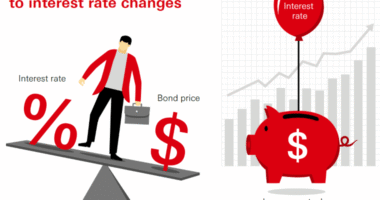

The setup: inflation cool-ish, growth slowing, and the Fed on deck
Markets are bracing for another Federal Reserve rate cut this week after September inflation printed around 3% year-over-year—still above target but easing enough in key components to keep the policy “pivot” alive. Futures-implied odds point to a high probability of a quarter-point cut, which would bring the policy rate toward the 3.75%–4.00% range. bls.gov+1
At the global level, the IMF’s latest World Economic Outlook sees growth cooling to roughly 3.2% in 2025 as advanced economies hover near 1.5%—a backdrop that historically favors high-quality assets and selective risk-taking rather than broad “everything rallies.” IMF
Why the cut matters to your portfolio
Policy rate cuts filter through the economy via cheaper borrowing costs, a lower discount rate on future cash flows, and shifting currency and commodity dynamics. In practice, it can change which assets lead the next leg of returns. Below is the late-2025 playbook based on fresh data and market moves.
Equities: quality, cash flow, and duration sensitivity
Lower rates typically support equity valuations, especially for companies with reliable cash flows and long-duration earnings (think software platforms, utilities with regulated returns, and select consumer staples). With inflation trending near 3% and growth decelerating, markets tend to reward quality—strong balance sheets, sustainable margins, and pricing power—over speculative stories.
-
Cyclicals vs. defensives: If growth slows while rates fall, defensives (utilities, staples, healthcare) often hold up better. Cyclicals can still work selectively where earnings visibility remains intact (infrastructure, travel experiences with pricing power, and parts of industrial automation).
-
Dividends: As yields on safer instruments drift down, dependable dividend growers look relatively more attractive—just ensure payout ratios are healthy and debt loads manageable.
Bonds: extend duration, but ladder your risk
When the Fed cuts and inflation edges lower, intermediate-to-long duration bonds typically rally as yields fall. Consider combining:
-
Core duration exposure (intermediate Treasuries or investment-grade funds) to benefit from potential yield declines.
-
A barbell or ladder so you’re not overexposed if inflation surprises and backs up.
-
Credit caution: If growth slows more than expected, spreads can widen; prefer higher-quality corporates over high-yield for core holdings.
The tactical logic here aligns with the incoming easing bias and CPI trends, which—despite energy noise—show moderating shelter and core dynamics relative to earlier in the year. bls.gov
Cash & savings: yield drift and where to park dry powder
Expect savings and money-market yields to drift lower following additional cuts. You can preserve income by:
-
Locking part of cash into short-to-intermediate CDs or high-quality short bond funds.
-
Keep an emergency buffer liquid (3–6 months of expenses), then tier the remainder by time horizon.
U.S. dollar & commodities: oil disinflation tailwind, but supply wildcards
Oil has slid to multi-month lows on surplus concerns, easing a major inflation input and giving the Fed cover to cut. However, OPEC+ policy shifts and geopolitical risks can whipsaw prices, so don’t build a plan on a single oil narrative. Financial Reuters + 2
A softer policy path can weigh on the U.S. dollar, modestly supporting gold and exporters—but currency moves will track the relative stance of other central banks and growth differentials.
Crypto: liquidity beta is back—but manage risk
Liquidity-sensitive assets like Bitcoin have rallied on expectations of easier policy and strong U.S. spot ETF inflows. As of this week, BTC has been trading above $115k with hundreds of millions in weekly ETF inflows—evidence that institutional demand is still a driver. Treat crypto as high-volatility satellite exposure, rebalanced systematically. DL +1
Personal finance moves to consider (step-by-step)
1) Refinance & debt strategy
-
Variable-rate debt: Prioritize paying down high-rate balances; for adjustable loans, explore refinancing if your break-even period (closing costs divided by monthly savings) is under ~24–30 months.
-
Mortgages: If fixed rates decline meaningfully after the Fed move, price a refi—but factor in fees, remaining term, and prepayment penalties.
2) Rebalance your 60/40 (or 70/30) the smart way
-
Add duration on the bond side incrementally (e.g., shift some short-term funds into 5–10-year exposure).
-
Tilt equities toward quality and dividend growth; trim crowded, profit-light names if they’ve outrun fundamentals.
-
Tax-aware harvesting: Use any rate-cut rally to realize losses elsewhere and reset cost basis.
3) Income portfolio tune-up
-
Ladder IG corporate bonds or Treasury notes across 1–7 years.
-
Pair with dividend aristocrats or utilities/REITs with prudent leverage to maintain total-return potential as cash yields fall.
4) Risk management & scenario planning
-
Soft-landing case: Stay fully invested with a quality tilt; overweight intermediate bonds.
-
Sticky inflation case: Keep some TIPS/short duration; avoid over-concentrating in long duration.
-
Hard-landing case: Raise IG credit/treasuries, dial down high beta, and keep dry powder for dislocations.
Sector snapshots for late 2025
-
Financials: Net interest margins compress with cuts, but fee-heavy, well-capitalized banks and insurers can still perform. Prefer diversified franchises with prudent credit exposure.
-
Tech & AI infrastructure: Lower discount rates support long-duration cash flows; focus on profitable leaders with recurring revenue.
-
Energy: Near-term oil softness helps disinflation; stick to integrated majors with strong balance sheets and free-cash-flow discipline while keeping cyclical exposure modest. Financial Times
-
Consumer: Wage growth vs. price levels matters. Defensive staples may out-earn discretionary if growth cools further.
Key data to watch next
-
FOMC statement & dot plot language on the path of cuts and balance-sheet runoff. Reuters +1
-
Next CPI & PCE inflation prints for confirmation that core pressures keep easing without energy spikes. bls.gov
-
IMF/global growth updates for demand signals and trade policy impacts. IMF
Bottom line
A late-2025 Fed cut would mark another step into a lower-rate regime while growth cools. That combination argues for balanced offense and defense: extend bond duration carefully, tilt equities toward quality cash-flow compounds, keep some inflation hedges, and treat crypto as a high-beta satellite. Stay data-dependent—particularly on inflation, employment, and oil supply dynamics.